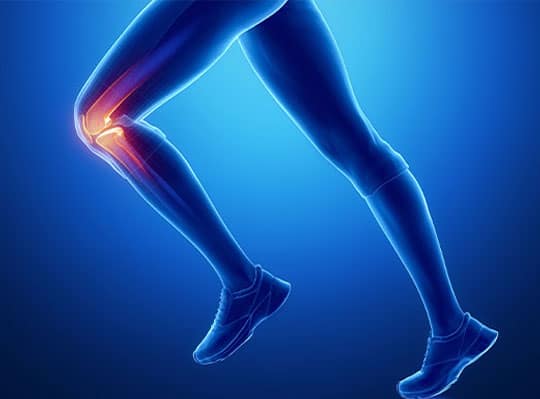
The best approach to ACL injury prevention involves a combination of strength training, neuromuscular training, and proper movement mechanics.
The Acumen ACL Program will break down proper training components over a 2 month period focusing on individual needs
Each individual will have an evaluation on their lower body that involves range of motion (flexibility), along with strength and power measures using our Hawkin Dynamics Forceplates to measure imbalances for us to focus on.
1. Strength Training for Knee Stability
Strong muscles help stabilize the knee during dynamic movements and absorb the impact of high-intensity activities.
2. Plyometric and Jump Training
Plyometric training is crucial for improving the body’s ability to absorb force during jumps, landings, and quick directional changes. Learning to land with proper technique is essential for reducing the risk of ACL injuries.
3. Neuromuscular Training and Proprioception
Neuromuscular training focuses on improving the communication between the brain and muscles, helping you move more efficiently and respond quicker to dynamic movements. This is often called proprioception, or the body’s ability to sense its position in space.
Proprioception training includes balance exercises and agility drills that challenge your body to stabilize itself under dynamic conditions. This can enhance your body’s ability to control movement, reduce knee stress, and improve coordination.
4. Flexibility and Mobility
Improved flexibility and joint mobility—especially in the hips, hamstrings, and calves—allow for better movement control and help to prevent compensation that could lead to ACL strain. Tight muscles can increase stress on the knee, making you more prone to injury.
5. Proper Technique and Movement Mechanics
Proper movement mechanics play a crucial role in preventing ACL injuries. Poor technique, especially during cutting, jumping, or landing, can place undue stress on the ACL. Focusing on correct posture and alignment while moving will help ensure the body functions optimally under pressure.
ACL Program
If you’re an athlete or recreational sports enthusiast, incorporating these training elements with a well designed program by Acumen, could be a game-changer for knee health and overall performance.