ACL Injury Prevention: Strengthening Your Body for a Safer, Stronger Future
The Anterior Cruciate Ligament (ACL) is a key stabilizing ligament in the knee, essential for activities that involve cutting, pivoting, jumping, and sudden stops. ACL injuries are particularly common in sports like soccer, basketball, and skiing, but they can happen to anyone. Preventing ACL injuries is not just about luck—it’s about proper training, strengthening, and body awareness.
I’ve never been a fan of anything being termed “preventative” regarding ACL tears as it can happen in sports, however in this post, we’ll explore the most effective strategies to reduce your risk of ACL injury, highlighting the importance of balance, strength, flexibility, and biomechanics.
Our team of ACL surgeons, Certified Athletic Therapists that specialize in ACL rehabilitation and Strength and Conditioning Specialists who are dedicated to Return to Sport criteria have created a program for those at risk.
Why ACL Injuries Happen
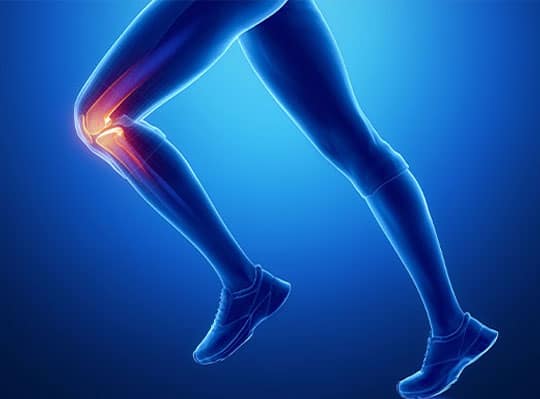
The ACL helps stabilize the knee joint, preventing the tibia (shinbone) from sliding forward relative to the femur (thigh bone) and controlling rotational movements. When it’s injured, it’s often due to a combination of factors:
- Sudden changes in direction (e.g., cutting or pivoting)
- Landing improperly after a jump
- Muscle imbalances that put excess strain on the knee
Certain athletes, especially females, are at higher risk for ACL injuries due to anatomical factors, hormonal influences, and biomechanics. Understanding these risk factors and training accordingly can significantly reduce the chances of injury.
There is positive research supporting that proper neuromuscular and proprioceptive training can decrease the incidence of injury to the knee, specifically the ACL. Neuromuscular control is achieved by repeatedly performing certain movements correctly. Controlled and focused specific exercises can help to increase stability in the lower extremity and achieve correct knee biomechanics.
This is why Acumen has designed a 2 month ACL program dedicated to reducing the risk of knee injury!