Don’t let osteoarthritis (OA) prevent you from participating in your favorite outdoor activities this winter! Many winter activities may seem daunting for a person with OA, however, there are actions you can take to make navigating the winter months easier and more enjoyable! Here are some tips to help you prepare for the ski season. Stop letting pain prevent you from living your life!
1. Strength Training
The high impacts on the body caused by downhill skiing put a lot of stress on the human body and it is very important to build a strong base to support the body from those high impacts. Building strength in the quads, glutes and hamstrings is beneficial as those are the main muscle groups activated while skiing. Resistance training also decreases joint inflammation which can ease pain and prevent joint stiffness by keeping the joints lubricated – allowing you to stay active on the ski hill for longer! Another long-term benefit of strength training is increased bone strength and bone density. OA is the degeneration of joint cartilage and the underlying bone, therefore, it is essential to maintain as much bone density as possible for as long as possible. Not only does strength training slow this degeneration, but in many cases, it actually increases bone density and strength. Having strong bones is vital to staying injury free on the ski hill!
2. Improve Balance
Downhill skiing requires a lot of balance as you glide down the hill at high speeds. Due to the high speeds of skiing, the risk of falling is generally higher than in many other winter sports or activities. Improving balance will help reduce the risk of falls while on the hill which will enhance your skiing experience and decrease your chance of falling in everyday life. As stated before, strength training has many benefits. Another advantage of resistance training is increased single-leg strength. Single-leg balance is important for downhill skiing because the sport requires great strength and balance as you shift your weight from one leg to the other while making your way down the hill. Strength training will help improve single-leg balance and greatly reduce the risk of falls while moving at such high speeds.
3. Stay Warm
Keeping your body and joints warm is essential in the winter, especially if you have OA. Not dressing appropriately for the cold weather can lead to more pain, quicker fatigue, and increased joint stiffness. These symptoms could prevent you from participating for as long as you might like to. Dressing appropriately for the weather helps to keep the joints warm and lubricated, which means less pain and more time spent doing what you love! A few of the main reasons why people with OA cut their ski days short are pain and joint stiffness. Another way to keep the body warm in the winter is by implementing a thorough warmup before hitting the slopes. A proper warm-up will increase joint mobility as well as increase blood flow to muscles and joints. These two things will help decrease pain and joint stiffness – allowing you to spend more time out on the hill!
How can Acumen Help?
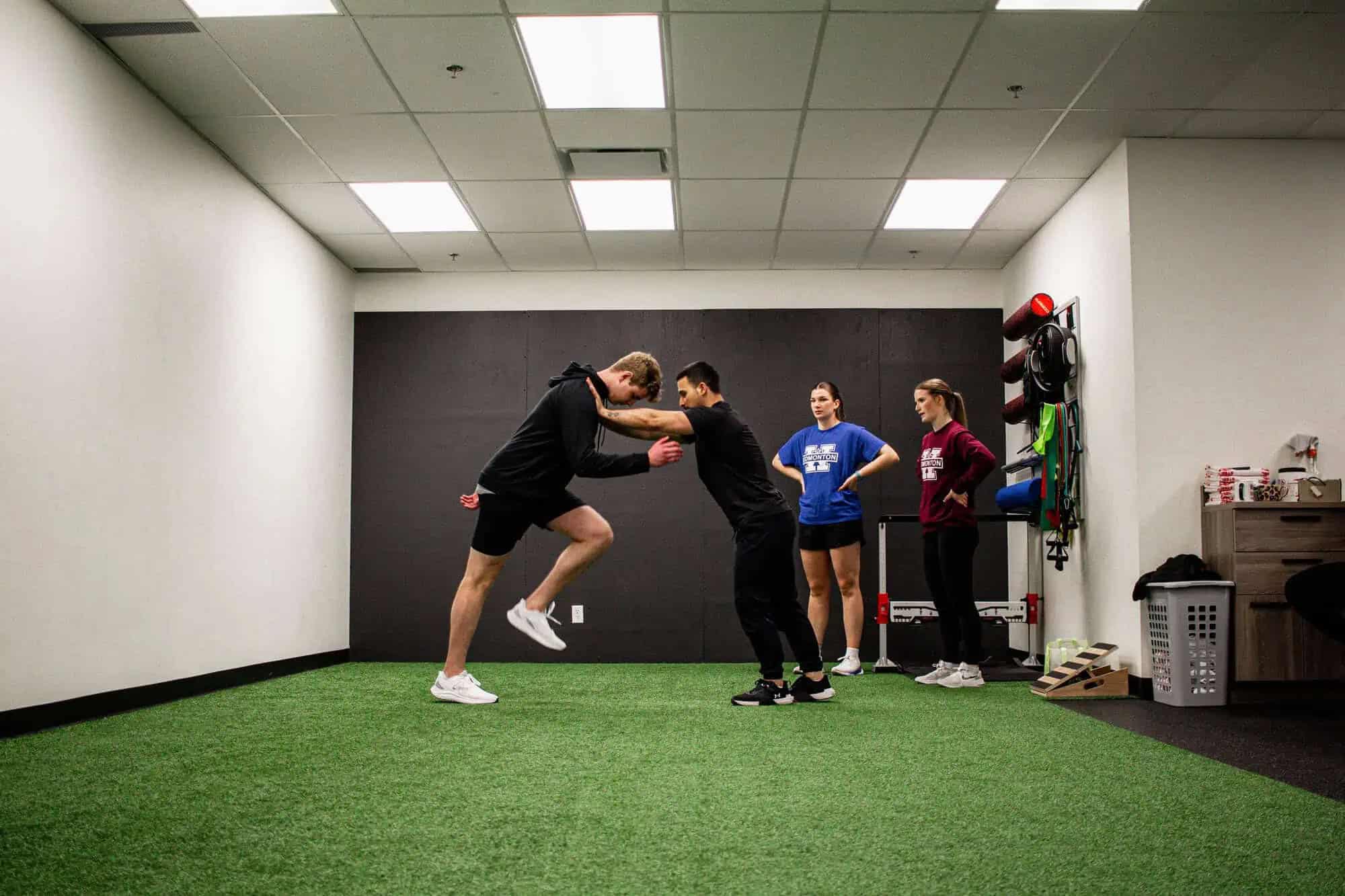
If you don’t know where or how to start preparing for the winter ski season, Acumen can help with that. Acumen provides a 6-week OA program designed to increase strength, improve balance, and enhance your overall quality of life! Our OA program will work on increasing strength and balance as well as lead you through thorough warmups that can be implemented before partaking in a full day of skiing!
Reach out to our team of specialists if you or someone you know are interested in participating in our program!
References
Duman, T. (2019, August 8th). Weight Lifting with Arthritis: Is It Good or Bad for You?. Retrieved November 16th, 2022 from https://creakyjoints.org/diet-exercise/weight-lifting-arthritis/#:~:text=Weight%20lifting%20eases%20joint%20pain,pain%20in%20people%20with%20osteoarthritis.
Kuhn, A. (n.d.). Can I Ski with Arthritis? 3 Things You need to Know Before Hitting the Slopes. Retrieved November 16th, 2022 from https://keeptheadventurealive.com/can-i-ski-with-arthritis/