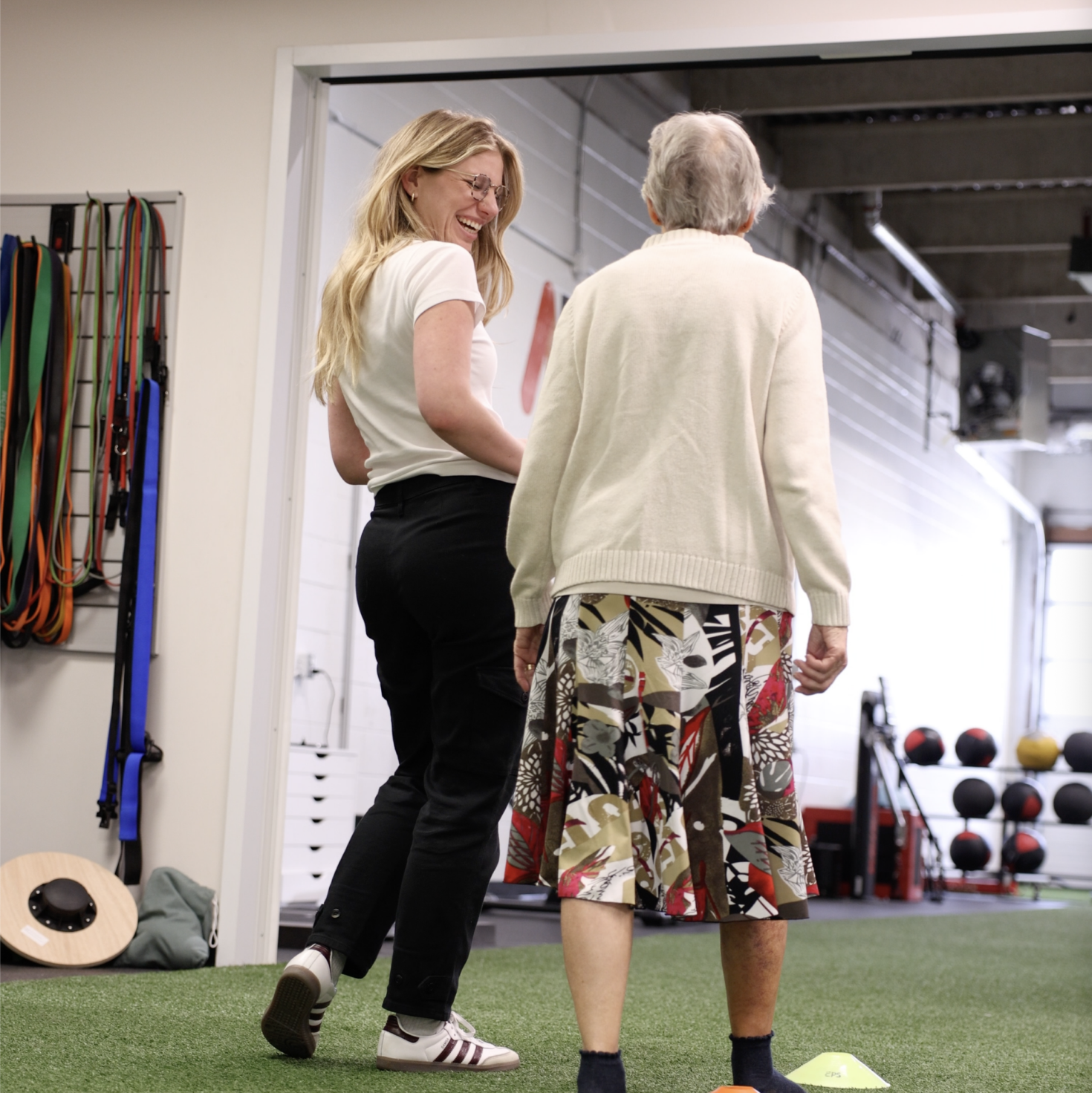
Exercise can be a safe and effective way to help manage the side effects of cancer and its treatments. The great thing about exercise is that it can be used before, during and after all types of treatment and for any type of cancer. Here are 4 benefits of exercise for individuals with cancer:
- Combat Fatigue
Cancer-related-fatigue is one of the main side effects that patients deal with, no matter the type of cancer or treatment they receive. Research supports exercise as a first-line treatment for fatigue. The key is to start small and work your way up. Introduce activity into every day, make your goal to start at a minimum of 10 minutes of daily light walking even on days when you feel extremely fatigued, then eventually work up to the moderate intensity exercise.
- Improve overall function
Muscular strength and endurance as well as heart function and efficiency can be affected by cancer and its treatments. In order to maintain the ability to be independent and perform basic activities of daily living we need our body to be strong. Regular exercise can help enhance function and is recommended for the best health.
- Decrease treatment side effects
Regular exercise has shown to help improve the recovery of surgery and to decrease and manage the side effects that come along with cancer treatments such as chemotherapy. The key is to just start moving and add regular exercise into your daily life. Loss in muscle mass, weight gain, loss of range of motion, neuropathy and many other side effects can be managed with specific exercises, be sure to consult a trained exercise professional for specific exercises.
- Feel better
Regular exercise has been shown to improve a multitude of things that will make you feel better in a time where it’s normal to not feel at your best. Exercise can improve mood and decrease feelings of depression, anxiety and stress. Additionally it can help maintain strength, improve quality of life and manage other chronic conditions such as type 2 diabetes and heart disease. Exercise is an energy booster and starting with a mix of resistance training and aerobic training is recommended to give you the best results.
Incorporating regular exercise into your routine can offer significant benefits for individuals with cancer, helping to manage both physical and emotional challenges during and after treatment. Whether you’re dealing with fatigue, treatment side effects, or simply want to improve your overall well-being, exercise can be a powerful tool in your recovery journey. Always be sure to consult a trained exercise professional to ensure you’re doing exercises that are safe and tailored to your needs. Remember, starting small and building up is key to reaping the benefits and feeling your best.
For personalized guidance or further assistance in navigating movement with a cancer diagnoses, feel free to book an appointment with our Cancer Rehab Specialist at Acumen Health. You can also reach out to our program lead, Ayesha at ayesha@acumenclinic.com with questions about our program. Please note, this blog was created by a Certified Athletic Therapist & Clinical Exercise Physiologist, and the information provided is not a substitute for professional medical advice.